Resisting Hurricanes: Aluminum Door and Window Solutions for Australian Buildings
- Sep 26, 2024
- 3 min read
Updated: Oct 21, 2024

In early September, a hurricane swept through Melbourne, reaching speeds of up to 146 km/h, prompting coastal warnings in Victoria for dangerous waves and abnormally high tides. The strong winds and heavy rainfall associated with the hurricane can lead to significant water infiltration and structural damage in buildings.

To mitigate these risks, buildings must be equipped with high-performance door and window systems designed to withstand such challenges effectively.
Impacts of Hurricanes and Heavy Rain
on Buildings and Windows
Structural Damage
The strong winds associated with hurricanes can exert tremendous pressure on buildings, potentially causing structural damage that compromises the integrity of doors and windows, leading to air and water infiltration.

Water Infiltration
Heavy rainfall related to hurricanes can overwhelm drainage systems, resulting in significant water penetration. Poorly sealed windows and doors can allow water to enter the interior, damaging walls, floors, and furniture.

Window Breakage
High winds can cause flying debris, such as branches and shingles, to strike windows with great force. Standard glass may shatter upon impact, exposing the interior to harsh weather conditions.
Air Leakage
Poorly sealed doors and windows can result in air leakage, reducing energy efficiency and increasing heating and cooling costs. During hurricanes, these leaks may also allow wind-driven rain to enter, exacerbating water infiltration issues.

Corrosion and Wear
In coastal areas, the combination of high humidity, salt spray, and heavy rain can accelerate the corrosion of metal components in doors and windows. Over time, this may weaken hardware, leading to failures in these critical elements.
Long-term Durability
Frequent exposure to hurricanes and heavy rain can reduce the lifespan of building materials. Selecting products specifically designed to withstand these conditions, such as impact-resistant windows, corrosion-resistant hardware, and robust sealing systems, can enhance the overall durability and longevity of the structure.
Technical and Testing Solutions for Addressing Hurricane Impacts on Doors and Windows
Structural Damage

Technical
Employ 6060-T6 aerospace-grade aluminum profiles, which provide high tensile strength. Use corner reinforcement through gluing techniques and rod reinforcement designs to enhance structural integrity and wind resistance.
Testing
Conduct wind pressure tests (ASTM E330) to evaluate the structural performance of doors and windows under simulated hurricane conditions.
Water Infiltration

Technical
Utilize advanced sealing technologies, including integrated corner glue and continuous sealing technology, which effectively blocks outdoor rain and humid air from penetrating through window gaps. This design, coupled with a unique drainage system based on pressure balance principles, achieves a water tightness rating of 6.
Testing
Perform water penetration tests (ASTM E1105) to assess the effectiveness of seals in preventing water ingress during heavy rainfall.
Window Breakage

Technical
Incorporate laminated or impact-rated glass to improve resistance against shattering. Use specially engineered frames that can accommodate and secure these glass types effectively.
Testing
Conduct impact resistance tests to evaluate the performance of glass and framing systems against debris impact, ensuring they meet required safety standards.
Air Leakage

Technical
Design doors and windows with superior airtightness through precision-engineered gaskets and compression seals that minimize air leakage.
Testing
Carry out air leakage tests (ASTM E283) to quantify the level of airtightness and identify any potential leaks that could compromise energy efficiency and indoor comfort. This system achieves an airtightness rating of 8.
Corrosion and Wear

Technical
Select corrosion-resistant materials, such as anodized aluminum and marine-grade stainless steel, to combat degradation in coastal environments.
Testing
Implement salt spray tests (ASTM B117) to evaluate the long-term durability of materials against corrosive effects, ensuring sustained performance.
Long-term Durability

Technical
Choose high-performance components designed for longevity, including UV-resistant coatings and heavy-duty hardware that can withstand environmental stressors.
Testing
Conduct accelerated weathering tests and fatigue tests to assess how products endure prolonged exposure to extreme weather conditions, ensuring they meet durability standards.
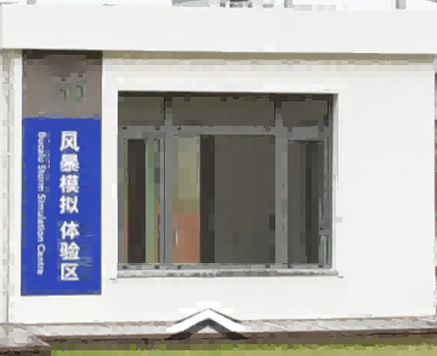
5-Level Hurricane Extreme Testing
To further ensure the overall hurricane resistance of our door and window products, we conduct Category 17 Typhoon Testing (equivalent to a 5-level hurricane) at our facility, providing clients with additional assurance.

Comments